Where Am I?
How does your brain keep track of your body? We examine the bond between brain and body, and look at what happens when it breaks. First, author and neurologist Oliver Sacks tries to find himself using magnets. Then, a century-old mystery: why do many amputees still feel their missing limbs? We speak with a neuroscientist who solved the problem with an optical illusion. Up next, the story of a butcher who suddenly lost his entire sense of touch. And we hear from pilots who lose consciousness and suffer out-of-body experiences while flying fighter jets.
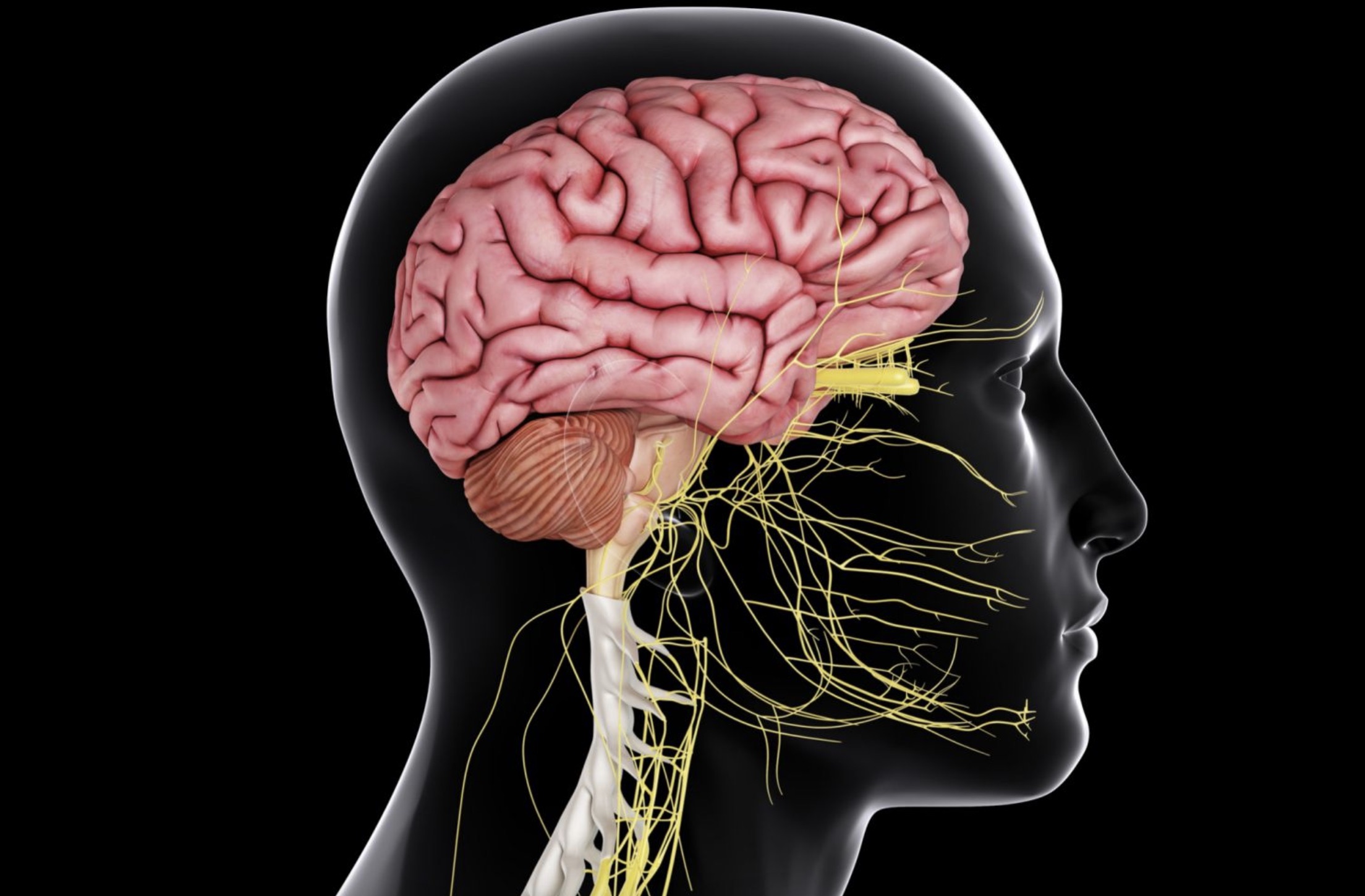
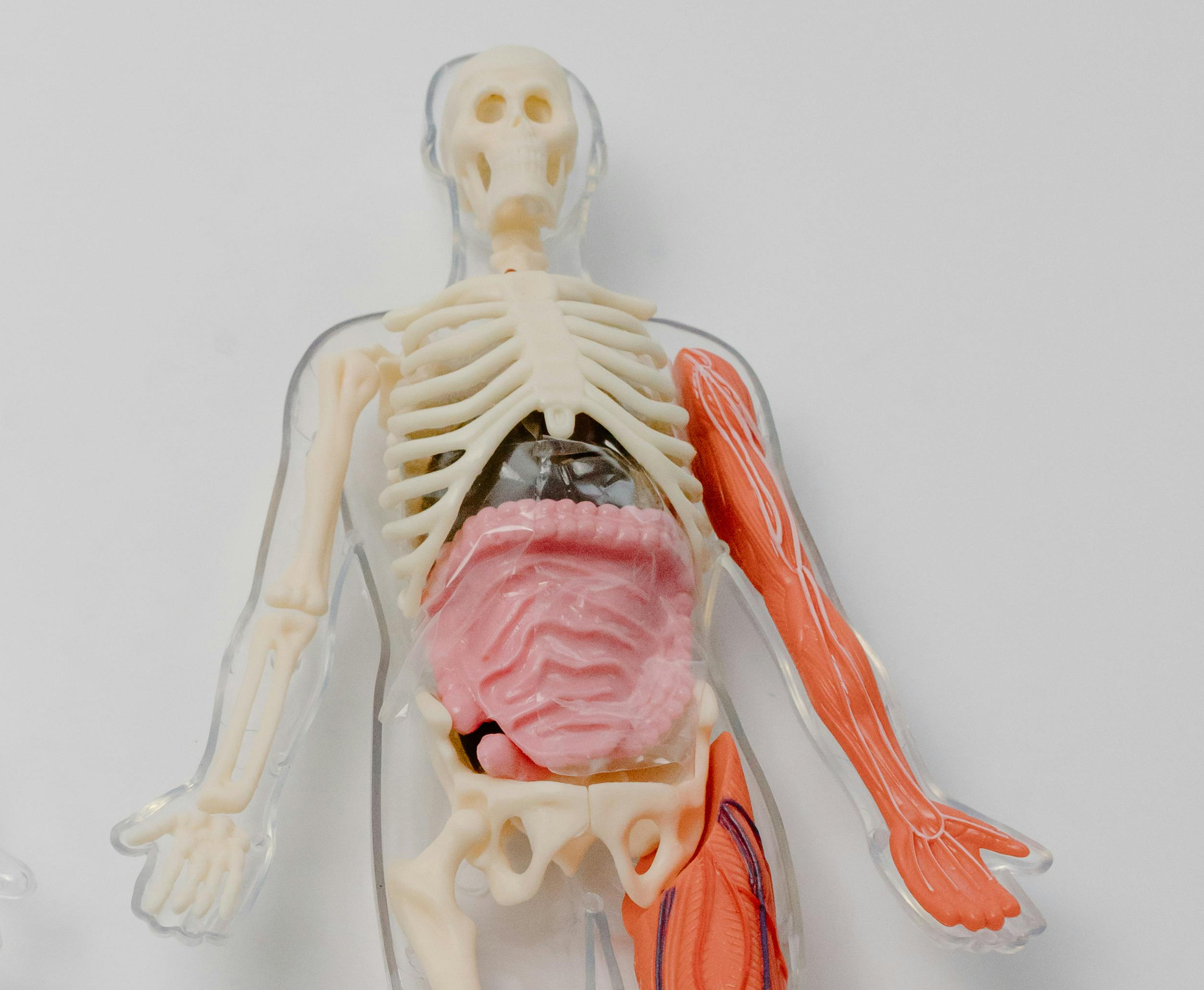
The intricacies of the human brain never cease to amaze, especially when it comes to its connection with the body. How does your brain keep track of your body? This question delves into the profound relationship between our brains and the physical vessels they inhabit. In this exploration, we embark on a journey through fascinating anecdotes and scientific discoveries that shed light on this enigmatic bond.
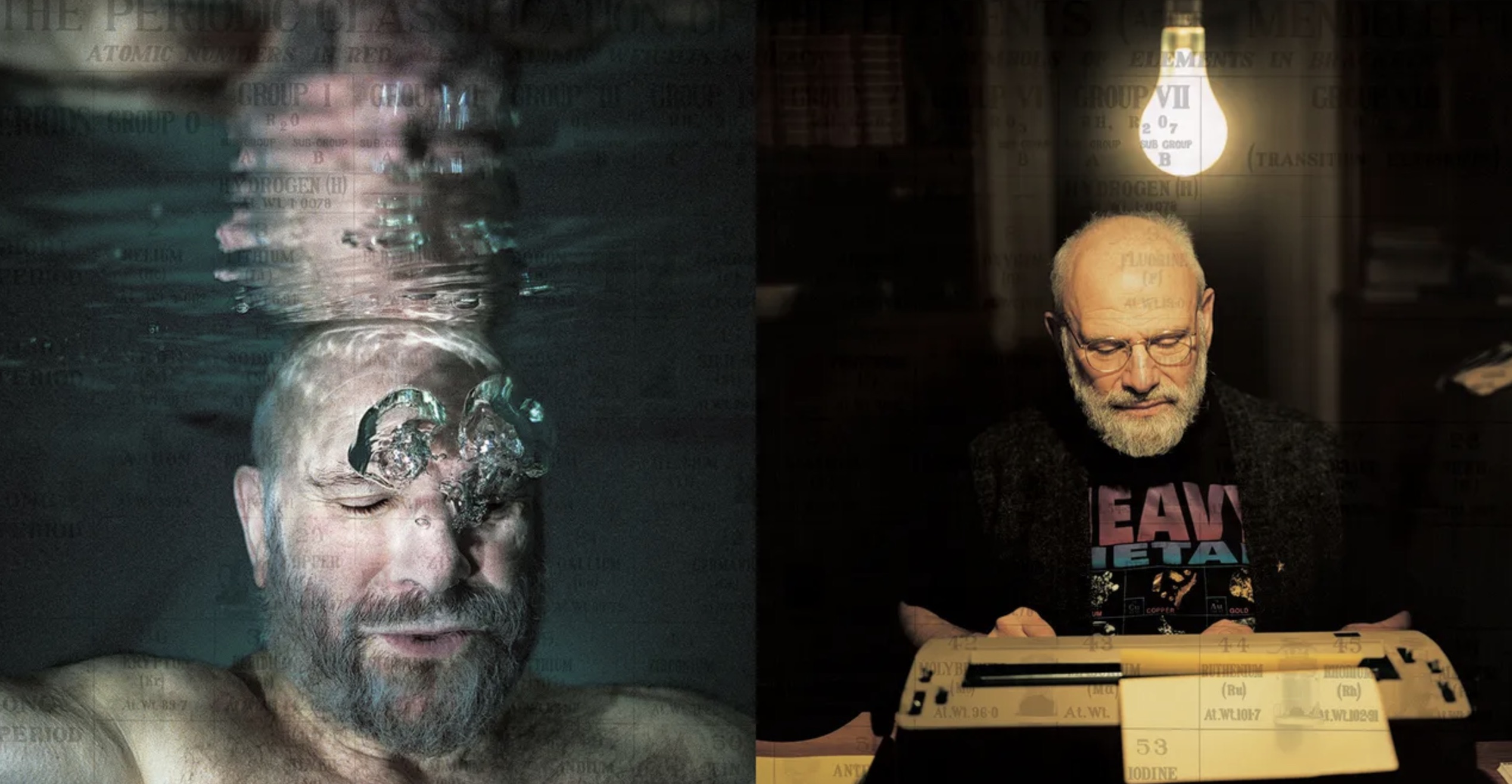
Author and neurologist Oliver Sacks, known for his captivating narratives of neurological phenomena, once embarked on a peculiar experiment to find himself using magnets. His endeavor speaks volumes about the complex interplay between the brain's perception of self and external stimuli. Sacks' magnetic experiment serves as a testament to the brain's remarkable adaptability and its ability to navigate the intricate maze of sensory input.
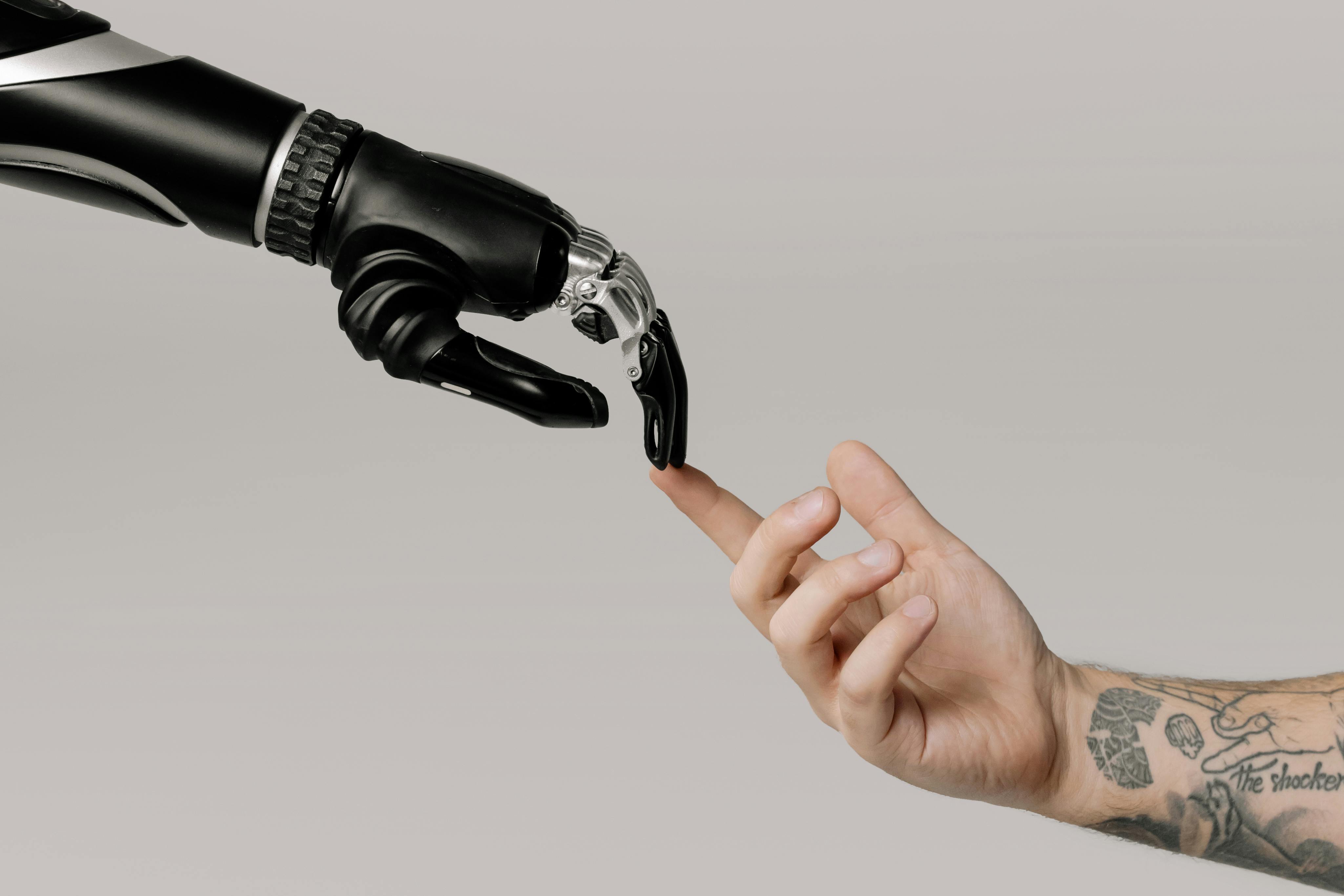
Continuing our quest for understanding, we encounter a century-old mystery that continues to baffle the scientific community: why do many amputees still feel sensations in their missing limbs? This phenomenon, known as phantom limb sensation, underscores the brain's unwavering commitment to maintaining a coherent representation of the body. We delve into the groundbreaking work of a neuroscientist who unraveled this mystery using an ingenious optical illusion, offering relief and insight to countless amputees worldwide.
But the intricacies of the brain-body connection extend beyond the realm of perception. Consider the harrowing tale of a butcher who suddenly lost his entire sense of touch, leaving him grappling with the profound implications of a world devoid of tactile sensation. His experience serves as a poignant reminder of the fragility of our sensory faculties and the profound impact of neurological disorders on our daily lives.
And then there are the adrenaline-fueled narratives of pilots who, in the throes of high-speed maneuvers, experience lapses in consciousness and surreal out-of-body experiences. Their accounts offer a glimpse into the outer limits of human perception, where the boundaries between mind and body blur amidst the chaos of high-altitude dogfights.
In each of these stories, we witness the intricate dance between the brain and the body, a symphony of neural signals and sensory feedback that shapes our perception of self and reality. Yet, lurking beneath the surface lies the unsettling prospect of what happens when this delicate harmony is disrupted. Whether through neurological disorders, traumatic injuries, or extreme circumstances, the bond between brain and body remains a fragile equilibrium, poised on the brink of profound transformation. As we navigate the labyrinthine corridors of the mind, we are reminded of the profound mysteries that lie at the intersection of neuroscience and human experience, beckoning us to explore further and unravel the secrets of our innermost selves.